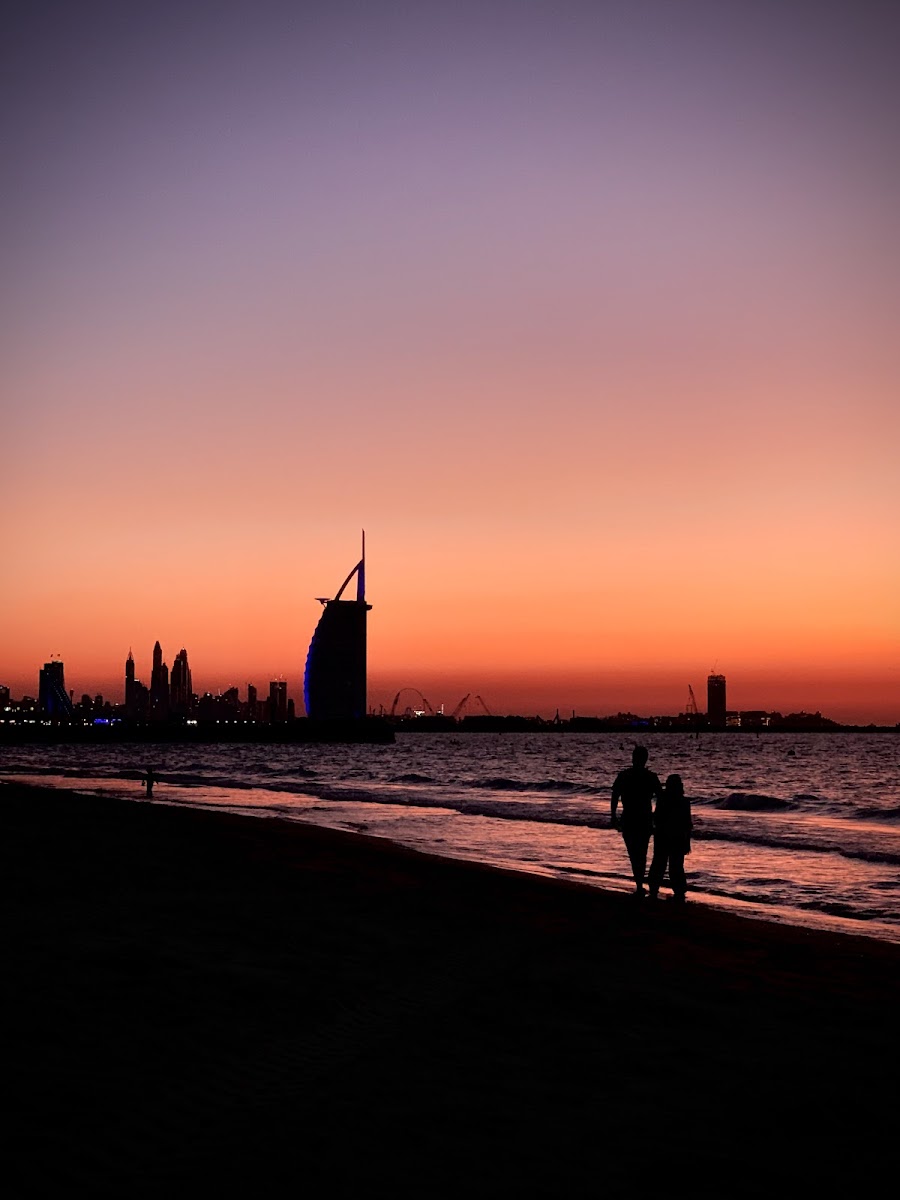
Dubai's beaches are among the most well-managed in the world, with professional lifeguard cover, regular water quality monitoring, and highly accessible emergency services. But accidents happen — and knowing what to do in the critical minutes before help arrives can make all the difference. Whether you're at a premium beach club day pass, a public beach, or a hotel pool, this guide covers a complete guide about first aid for the most common beach emergencies in Dubai.
🚨 Dubai Emergency Numbers — Save These Now
Beach Safety Infrastructure in Dubai
Dubai takes beach safety seriously. The emirate's beaches are managed by Dubai Municipality and individual venue operators to high standards. Public beaches at JBR, Kite Beach, and La Mer have dedicated lifeguard towers staffed year-round, spaced roughly 200 to 400 metres apart depending on beach width. Lifeguards are trained in water rescue, CPR, and first aid as a minimum requirement.
Private beach clubs — including top venues like Nikki Beach, Zero Gravity, and FIVE Palm Jumeirah — maintain their own first aid stations with defibrillators, oxygen equipment, and medically trained staff. The ratio of lifeguards to swimmers is typically regulated by the venue's licensing requirements.
📍 When You Arrive — Always Do This
- Note the location of the nearest lifeguard station or first aid post
- Check the beach flag system (see below) before entering the water
- Identify emergency exit routes if at an enclosed venue
- Save emergency numbers in your phone: 998 (ambulance), 999 (police)
- Tell someone where you are swimming if going alone
Understanding Dubai's Beach Flag System
Dubai uses a standardised international flag system at all public beaches. Understanding these flags can prevent emergencies before they happen. The flags are displayed prominently at lifeguard stations and beach club entrances.
- 🟢 Green flag: Safe conditions, swimming permitted, calm water
- 🟡 Yellow flag: Caution advised — moderate surf, stronger currents than usual, take care
- 🔴 Red flag: Dangerous conditions — swimming prohibited, do not enter the water
- 🟣 Purple flag: Marine life warning — jellyfish, sea lice, or other marine hazards present. Check with lifeguards before entering
- ⚫ Black flag: Extreme conditions — beach closed, no access
Never enter the water when a red or black flag is flying. A purple flag means you should consult a lifeguard before swimming — it doesn't automatically prohibit entry but does signal a potential hazard.
Jellyfish Stings: Identification and Treatment
The most common marine injury at Dubai beaches is a jellyfish sting, most frequently from moon jellyfish (Aurelia aurita) which peak during summer months. These are generally mild and manageable. More serious stings from Portuguese man o'war occur less frequently. Read our complete jellyfish season guide for seasonal patterns — but here's what to do if you're stung.
Step-by-Step Jellyfish Sting Treatment
Exit the Water Calmly
Move away from the jellyfish and exit the water without panicking. Calm movement reduces circulation of venom around the sting site.
Rinse with Seawater — NOT Fresh Water
Use seawater to rinse the affected area. Fresh water changes the osmotic balance and can cause unfired nematocysts (stinging cells) to discharge, worsening the sting. This is one of the most commonly misunderstood first aid steps.
Remove Visible Tentacles
Use a credit card, stick, or similar object to carefully scrape away any visible tentacle fragments. Never use bare hands — you risk stinging your fingers. Tweezers can be used cautiously if available.
Apply Antihistamine Cream
If available, antihistamine cream (such as hydrocortisone 1%) helps reduce swelling and itching. Oral antihistamines (cetirizine, loratadine) can help with systemic itching.
Monitor and Seek Help if Needed
Most moon jellyfish stings resolve within a few hours. Seek immediate medical attention (call 998) if breathing changes, rapid heart rate, sting is near the face or eyes, the person is a child, or if the sting appears to be from a man o'war or unknown species.
This is a persistent myth. Urine is not an effective treatment and may worsen the sting. Use seawater to rinse, then antihistamine cream. If you are unsure, go directly to the beach club first aid station or lifeguard post.
Heat Stroke and Heat Exhaustion
Dubai's summer temperatures regularly exceed 40°C with high humidity, creating conditions that can rapidly cause heat illness. This is the most common serious medical emergency at Dubai beaches from May through September. Understanding the difference between heat exhaustion and heat stroke is critical. Read our full hydration tips guide for prevention strategies.
Heat Exhaustion — Warning Stage
Signs: heavy sweating, pale cool clammy skin, rapid weak pulse, nausea, dizziness, muscle cramps, fatigue, headache. The person is still conscious and coherent.
Treatment: Move immediately to shade or an air-conditioned space. Remove excess clothing. Apply cool wet cloths to skin. Give cool water in small sips (about 150ml every 15 minutes if conscious and able to swallow). Elevate legs slightly. Most people recover within 30 minutes with this treatment. If no improvement after 30 minutes, or condition worsens, call 998.
Heat Stroke — Medical Emergency
Signs: body temperature above 40°C, hot dry skin (NOT sweating), rapid strong pulse, confusion or altered mental state, slurred speech, loss of consciousness. This is life-threatening.
Call 998 Immediately
Heat stroke is a medical emergency requiring hospital treatment. Call while beginning other first aid steps.
Move to a Cool Environment
Get the person inside air conditioning immediately if possible. If not, move to deepest available shade and fan vigorously.
Cool the Body Rapidly
Apply cool wet cloths or ice packs wrapped in cloth to the neck, armpits, and groin — areas where blood vessels are close to the skin surface. Mist with cool water and fan. Do not submerge in cold water as this can cause shock.
Do NOT Give Fluids to an Unconscious Person
If the person is unconscious, confused, or unable to swallow safely, do not attempt to give fluids. Position in the recovery position if unconscious and breathing normally.
Stay Safe — Book Venues with On-Site Medical Facilities
Premium beach clubs have trained first aid staff and defibrillators on site. Browse top venues with the best safety infrastructure.
Browse Beach ClubsCuts, Coral, and Sea Urchin Injuries
While Dubai's beaches are predominantly sandy, rocky areas near some venues — particularly around the Palm Jumeirah breakwaters and certain JBR sections — can present risks of cuts and sea urchin encounters. Water shoes are strongly recommended if you plan to explore rocky coastal areas.
Treating Beach Cuts and Scrapes
- Exit the water immediately — open wounds attract marine life and saltwater can carry bacterial contamination
- Rinse thoroughly with clean fresh water (swimming pool water works), then apply antiseptic
- Cover with a waterproof dressing and keep out of seawater
- Monitor for infection over 24-48 hours — signs include increasing redness, warmth, swelling, or pus
- Seek medical attention for deep cuts, wounds that won't stop bleeding after 10 minutes of direct pressure, or any wound from marine organisms
Sea Urchin Spines
Sea urchin injuries are uncommon at Dubai beaches but possible in rocky coastal areas. If you step on or brush against a sea urchin: soak the affected area in warm water for 30-60 minutes to soften tissue, use fine tweezers to carefully grasp each spine and pull straight out in the same angle it entered. Never crush or squeeze spines — fragments left in tissue can cause infection and tissue reaction. Multiple or deeply embedded spines require medical removal.
Drowning Response and Water Rescue
If you witness someone in distress in the water, your immediate actions matter.
Drowning victims in panic can grab and pull rescuers underwater, creating two victims. The vast majority of bystander drowning rescue attempts that result in the rescuer also drowning involve untrained people entering the water. Alert a lifeguard immediately, throw a flotation device if available, and call 999.
What to Do if You See Someone Drowning
- Shout and signal to attract a lifeguard — this is always the first step
- Call 999 if no lifeguard is visible or responding
- Reach with a towel, rope, or pool noodle from the pool edge — keep yourself anchored and never lean over water
- Throw a flotation device — ring buoys are positioned at regular intervals on Dubai public beaches
- If the person is pulled from the water and unresponsive, start CPR immediately if trained
CPR at the Beach
If a person is unresponsive and not breathing normally after being removed from the water: lay them on a firm flat surface, tilt the head back to open the airway, call 998 while beginning CPR, and continue until help arrives or an AED is available. Dubai's luxury beach clubs typically have AEDs on site at their first aid stations — ask a staff member to retrieve it while you perform CPR.
Sunburn Treatment
Dubai's UV index can reach extreme levels (11+) between May and September. Sunburn is preventable but common among visitors unfamiliar with the intensity of Gulf sun. Our full SPF and sun safety guide covers prevention in detail. For treatment:
- Move to shade or indoors immediately when sunburn is noticed
- Apply cool (not cold) damp cloths to burned areas
- Drink plenty of water — sunburn draws fluid to the skin surface
- Use aloe vera gel or after-sun lotion once the skin has cooled
- Avoid further sun exposure for the remainder of the day
- Over-the-counter ibuprofen helps reduce inflammation if tolerated
- Seek medical attention for severe sunburn with blistering, fever, or covering large body areas
A compact personal kit for Dubai beaches should include: SPF 50+ sunscreen, antihistamine tablets and cream, oral rehydration sachets, waterproof plasters, antiseptic wipes, tweezers, aloe vera gel, and any personal medications. Most beach clubs sell basic supplies at their beach bars but having your own ensures you're prepared.
Medical Facilities Near Dubai Beaches
Dubai has excellent hospital infrastructure within short distances of all beach areas. In any emergency, call 998 and let the paramedics direct you — they will route to the most appropriate facility based on the nature of the emergency.
- JBR / Dubai Marina area: Mediclinic Meadows, Saudi German Hospital Marina
- Palm Jumeirah area: Mediclinic Parkview Hospital (accessible via Sheikh Zayed Road)
- Kite Beach / Umm Suqeim: Mediclinic Welcare Hospital
- Downtown / La Mer: Mediclinic City Hospital, American Hospital Dubai
- Major trauma: Rashid Hospital (Al Mankhool) is Dubai's primary trauma centre
Travel Insurance and Medical Costs in Dubai
Dubai's medical care is excellent but not free for visitors. Emergency ambulance call-out costs, A&E attendance, and hospitalisation fees can be significant without insurance cover. All visitors to Dubai are strongly advised to carry comprehensive travel insurance that includes medical repatriation. Check that your policy specifically covers water sports activities if you plan to use jet skis, parasailing, or other marine activities at beach clubs offering water sports.
Summary: First Aid Priorities at Dubai Beaches
Quick Reference: What to Do First
- Any life-threatening emergency: Call 998 (ambulance) immediately, then alert nearest staff
- Jellyfish sting: Exit water, rinse with seawater, remove tentacles, antihistamine cream
- Heat stroke: Call 998, cool rapidly, do NOT give fluids if unconscious
- Drowning: Alert lifeguard, call 999, throw flotation device — do NOT enter water
- Cuts from marine environment: Clean wound, cover, seek medical attention if deep
- Sunburn: Move to shade, cool skin, hydrate, use aloe vera
The best first aid at Dubai beaches is prevention — knowing the flag system, staying hydrated, applying high SPF sunscreen regularly, and choosing beach clubs with professional on-site safety infrastructure. Browse our directory of all Dubai beach clubs and check out our full beach safety and health guide for more on staying safe while enjoying everything Dubai's coastline has to offer.